How to grow Hazel
Hazel grows readily from seed and makes a good project if you’re growing trees for the first time. Collect the hazelnuts in September, test them in a bucket of water to sort the good ones from the empties, then give the sinkers a cold winter outdoors before sowing. Do that, and you’ll have plantable saplings within two years.
At a glance
- Scientific name
- Corylus avellana
- Family
- Birch (Betulaceae)
- Can seed be stored
- Yes, dries and stores
- Type of dormancy
- Shallow dormancy
- Pretreatment
- Cold, ~12–16 weeks (roughly 3–4 months)
Quick links
Seasonal calendar
Year 1
Year 2
- a Collect: Nuts ripen in September
- b Store: Nominal - prompt treatment recommended
- c Treat: Winter following collection
- d Treat: Winter continues
- e Sow: End of February
- f Grow: Grown on until November, traditionally the start of the lifting and planting season, though this window has been shifting and shortening with a changing climate.
| Stage | Year | Month range | Note |
|---|---|---|---|
| Collect | Year 1 | September to September | Nuts ripen in September |
| Store | Year 1 | September to September | Nominal - prompt treatment recommended |
| Treat | Year 1 | October to December | Winter following collection |
| Treat | Year 2 | January to February | Winter continues |
| Sow | Year 2 | February to February | End of February |
| Grow | Year 2 | February to November | Grown on until November, traditionally the start of the lifting and planting season, though this window has been shifting and shortening with a changing climate. |
Picking
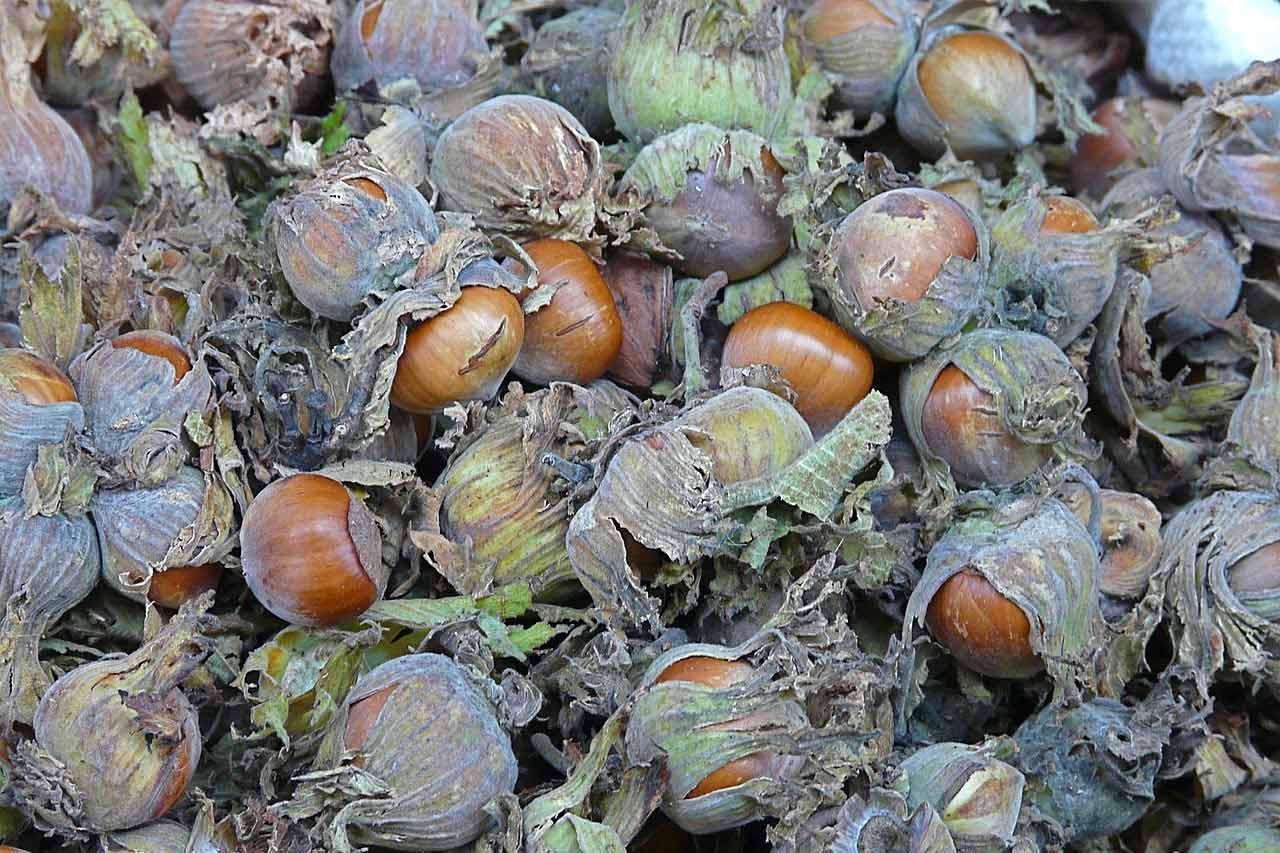
Hazelnuts ripen during September. The actual time of ripening varies from year to year and depends on late-summer warmth. Expect the first hazelnuts to fall around early- to mid-September. A word of warning though! The first nuts to fall are often empty, so it is worthwhile waiting a week or so before making your collection. Where they are accessible, it is better to collect directly from the tree and leave the ones on the ground for the mice.
The ideal time to collect is when the nut is easy to remove from the husk. This indicates that they are just about ready to fall. Carefully pull the clusters of nuts from the branches and keep in buckets or breathable bags.
Extraction and storage
Perhaps the simplest way to extract hazelnuts is to pick them individually out of their husks. This can be time-consuming if you have a large number, but allows a very simple test to be performed. This test separates those hazelnuts that will grow from those that may not.
The nuts (without their husks) are thrown into a bucket of water. Those that sink will more than likely grow, those that float won’t (or will produce a much smaller seedling). Simply discard the ‘floaters’, somewhere where the mice can clean up, and keep the ‘sinkers’.
Pretreatment
Mix the ‘sinkers’ with an equal amount of horticultural sand (one handful of sand to one handful of seeds). Find a pot large enough for this mixture and a bit more. Place a few stones in the bottom of the pot for drainage and cover these with sand. Add the seed/sand mixture and cover with a few centimetres of sand. Label the pot and place somewhere shady.
Hazelnuts are a great food for mice. Wherever you put them, mice will find them! You will need to cover your pots with some wire mesh with a small enough mesh size that mice can’t get through. Leave the pots for the winter.
Sowing
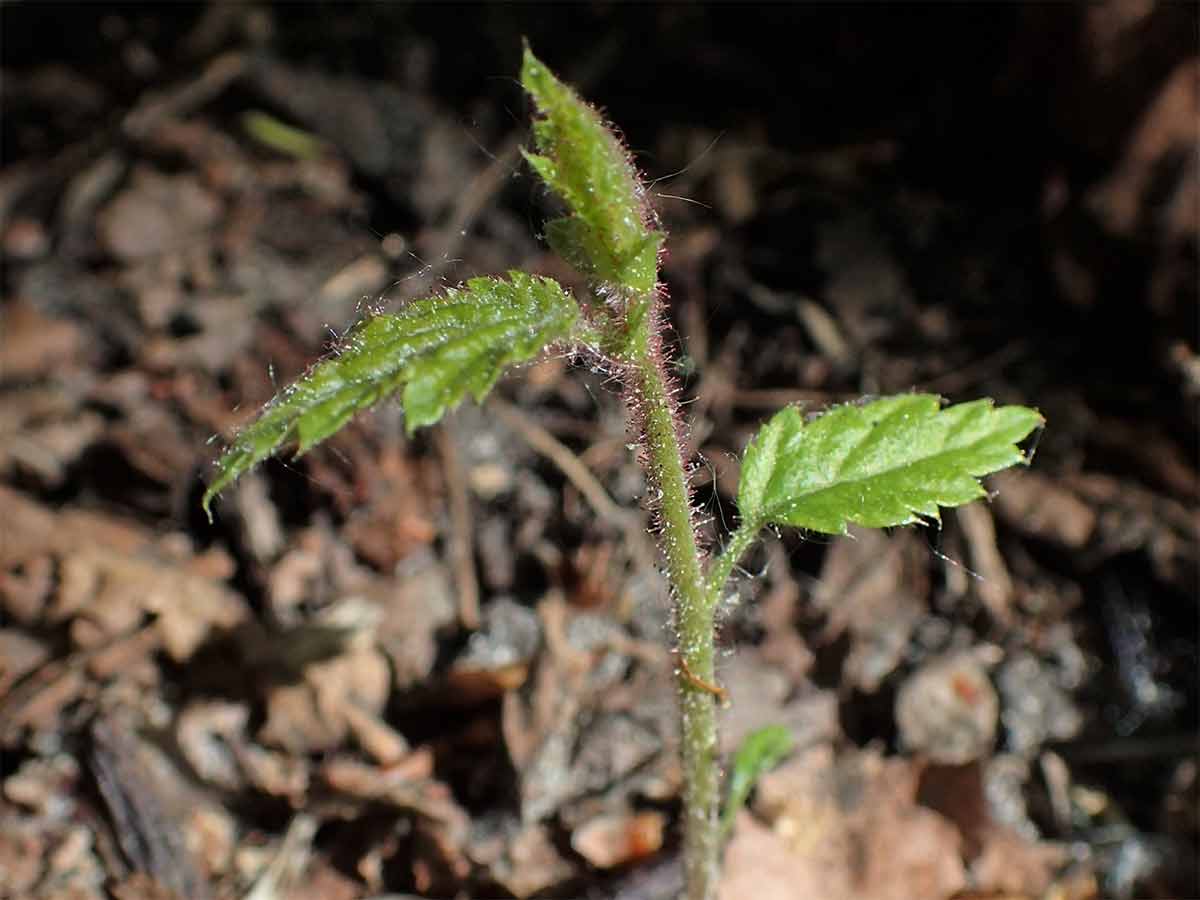
When the seeds show signs of germination (check them from the end of February) it is time to sow them. In pots, simply place two seeds about 2-3cm deep, firm and water. Keep the pots moist.
In seedbeds, we can broadcast the seed. Aim for about 400 ‘sinkers’ in each square metre – you should get 200 plants. The seeds must be pressed into the soil either by rolling or by using a large flat board. Cover the bed with 2cm of horticultural grit.
Don’t forget those mice! They will still discover your hazelnuts and, before long, you’ll be left with nothing but a seedbed full of holes! Cover your beds with netting and your pots with wire mesh. When the plants are about 15cm tall you can remove the protection. Hazelnuts are also a favourite food of jays and pheasants.
Growing
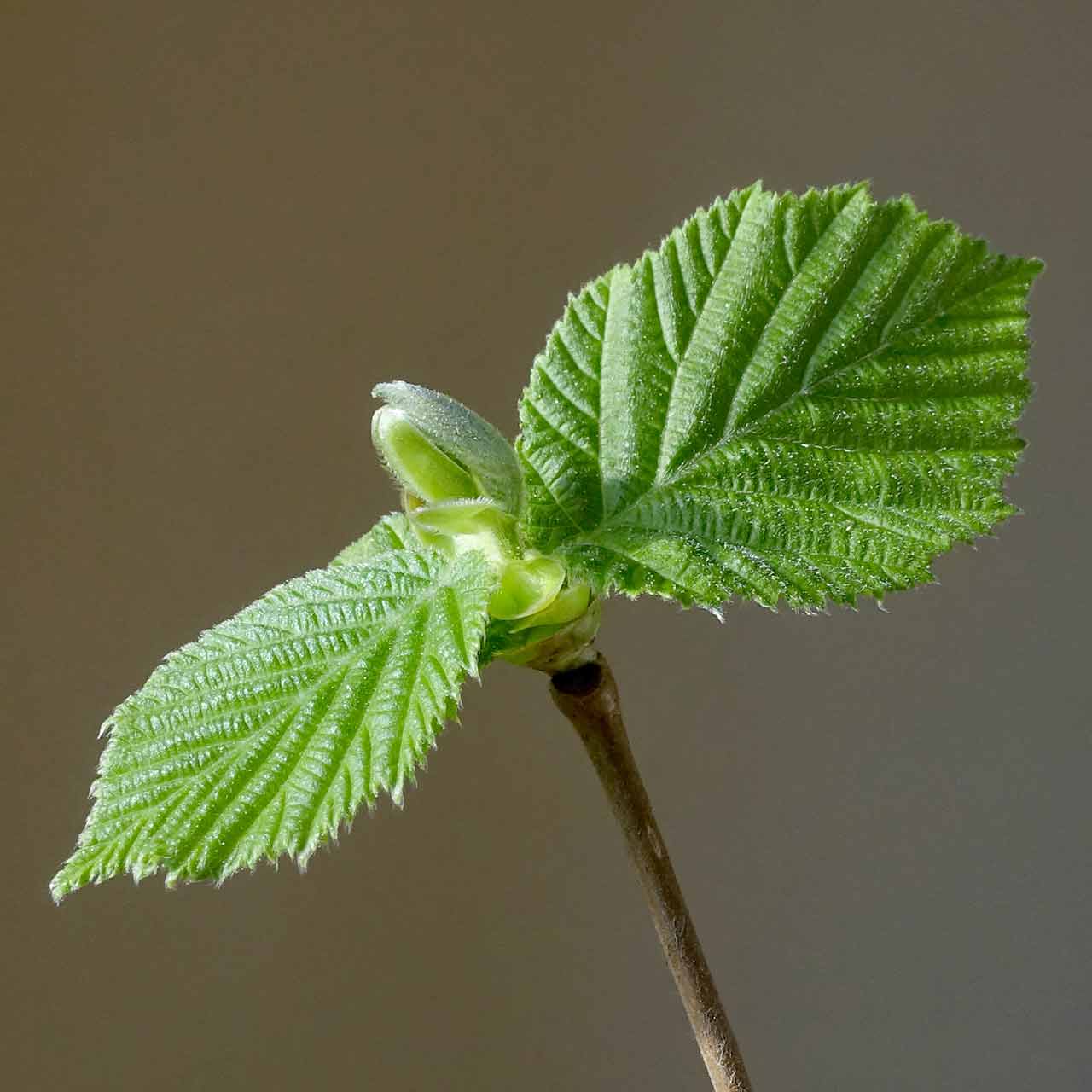
Maintain protection from our wildlife during the growing season. Hazel doesn’t readily suffer from pests or diseases, so it should only be necessary to keep your pots or beds weed-free. Feed regularly and water during dry spells.
Hazel can reach 40cm in one year. However, you do not need to transplant them for a second year provided they have enough space. If they do not have 10cm of space around them, they should be transplanted. Re-pot your pots where necessary and keep well-fed during the second year.
Keep your young hazel trees moist at all times. Pay particular attention during dry periods.
Planting your new tree(s)

When your Hazel is tall enough, it can be planted into its new home. Prepare the site well by clearing away any weeds or grass and make a hole big enough to accommodate the root ball. Plant carefully in the hole, to the same depth as it was in the pot or ground, and firm back the soil. More tree planting details here.